Featured

About What's Ahead for Debt Forgiveness and Debtor Protections
Table of Contents
That liberates cash in the short term, and you might have 3 to four years to save towards the negotiation quantity. Very dangerous to debt ratings, mostly as a result of missed out on repayments and an unfavorable "cleared up" mark that can stay on your credit record for up to seven yearsMay be only alternative if other options (financial debt loan consolidation, equilibrium transfer credit scores cards, debt forgiveness) aren't possibleTypically requires a fee to the third celebration, which could counter some or all of the financial savings from financial obligation settlementMay assist you stay clear of personal bankruptcy if you have actually missed out on numerous paymentsNot all creditors collaborate with financial debt settlement business Financial obligation mercy might be best for you if you are experiencing a monetary hardship that makes it virtually impossible to pay for your debt equilibriums.
With a DMP, you make one month-to-month settlement to the credit score therapy company. Those funds are then dispersed to financial institutions of your unprotected debts, such as charge card and installment lendings. The agency deals with your creditors to minimize rate of interest or waive charges, however some financial institutions might refuse such concessions.
It can help you pay down financial debt if you're able to safeguard a lending rate that's reduced than the ordinary rate of the accounts you're settling. You have to avoid from racking up financial debt on those recently cleared accounts or your financial debt can grow also higher.
That gives you plenty of time to eliminate or dramatically lower your balance while making interest-free settlements.
The Greatest Guide To Understanding Expert Debt Counseling
You might require it if your creditor or a debt collector ever attempts to gather on the financial debt in the future. The letter could prove you don't owe what the debt collection agency's records reveal. Yes, in many cases, the IRS thinks about forgiven financial debt as gross income. When a lender forgives $600 or more, they are needed to send you Kind 1099-C.
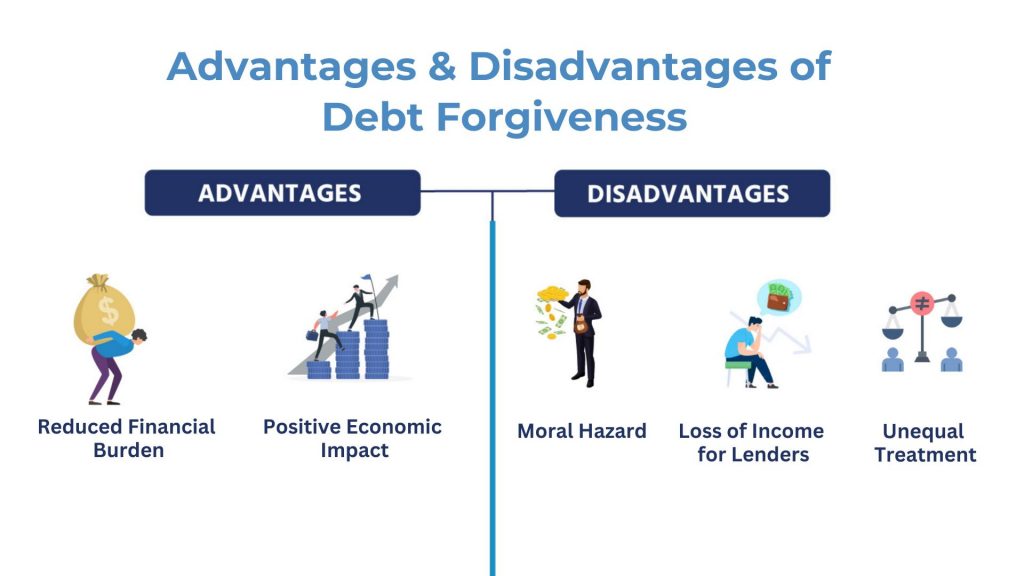
Financial debt mercy or negotiation often injures your debt. Anytime you resolve a financial debt for much less than you owe, it might appear as "worked out" on your credit rating report and influence your credit history for 7 years from the day of negotiation. Your credit scores can additionally go down substantially in the months resulting in the mercy if you fall back on repayments.
Little Known Questions About Real Testimonials of Families Who Found Relief.
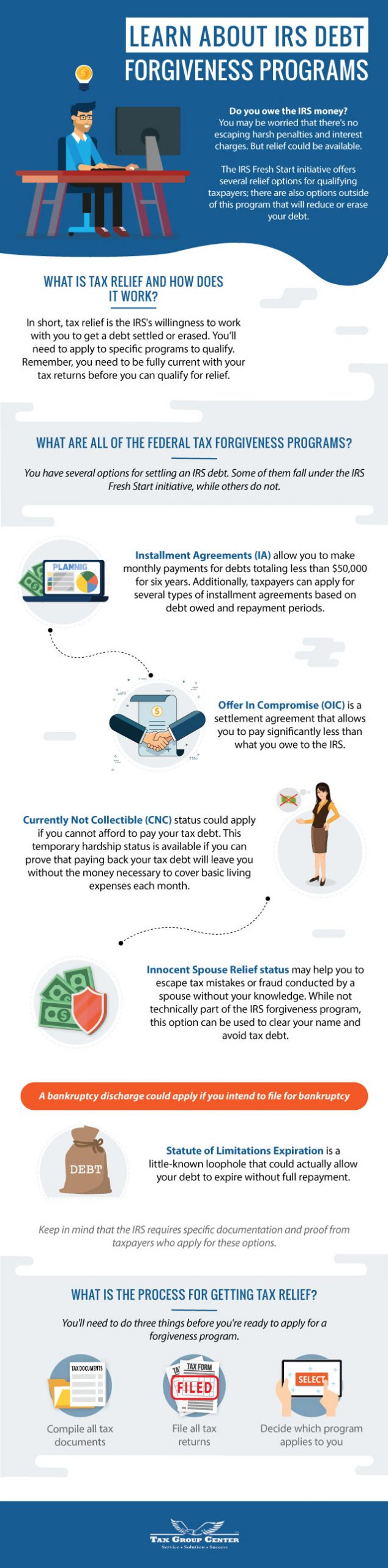
Tax financial obligation compromise programs Tax obligation debt occurs when the amount of taxes you owe surpasses what you have actually paid. This scenario typically arises from underreporting earnings, not submitting returns on time, or disparities found during an IRS audit. The consequences of building up tax financial debt are significant and can include tax liens, which offer the internal revenue service a legal case to your building as safety for the financial obligation.
Salaries and Financial institution Accounts Internal revenue service can impose (take) incomes and bank accounts to please the debt. Home Seizure In extreme instances, the Internal revenue service can confiscate and sell building to cover the financial debt.
Social Preconception Encountering legal action from the Internal revenue service can bring social stigma. Employment Opportunities A bad credit report score due to tire financial obligation can limit work opportunities. Government Benefits Tax obligation financial obligation may affect eligibility for government advantages, such as Social Safety and Medicaid.
How Preventing the Same Mistakes After Debt Relief can Save You Time, Stress, and Money.
The OIC considers numerous factors, including the taxpayer's earnings, expenses, asset equity, and capacity to pay. Effectively working out an OIC can be complicated, requiring an extensive understanding of the IRS's standards and a strong argument for why your offer lines up with your capacity to pay. It is essential to keep in mind that not all applications are accepted, and the process requires comprehensive economic disclosure.
The internal revenue service examines your overall financial situation, including your income, expenditures, property equity, and capability to pay. You should likewise be current with all filing and payment needs and not be in an open insolvency case. The internal revenue service likewise considers your compliance history, evaluating whether you have a record of timely filing and paying tax obligations in previous years.
4 Easy Facts About Recent Regulations Affecting Bankruptcy Procedures Explained
The application process for an Offer in Concession involves a number of comprehensive actions. First, you have to complete and send internal revenue service Form 656, the Deal in Compromise application, and Form 433-A (OIC), a collection details declaration for people. These forms need comprehensive monetary information, including information about your earnings, financial debts, costs, and properties.
Back tax obligations, which are unsettled taxes from previous years, can dramatically increase your overall IRS financial debt otherwise dealt with immediately. This debt can build up passion and late payment charges, making the original amount owed much larger gradually. Failing to repay tax obligations can result in the IRS taking enforcement activities, such as issuing a tax lien or levy versus your residential or commercial property.
It is important to resolve back taxes asap, either by paying the total owed or by preparing a layaway plan with the internal revenue service. By taking positive actions, you can prevent the buildup of added rate of interest and charges, and avoid more hostile collection actions by the IRS.
One usual reason is the belief that the taxpayer can pay the sum total either as a round figure or through a repayment strategy. The IRS likewise considers the taxpayer's revenue, expenditures, asset equity, and future earning capacity. If these aspects indicate that the taxpayer can pay for to pay greater than the provided quantity, the IRS is likely to turn down the deal.
See This Report about Pricing Clarity That How Nonprofit Credit Counseling Agencies Get Paid Experts Disclose
Dealing with IRS financial debt can be intricate and difficult. Tax professionals, such as Certified public accountants, tax obligation attorneys, or enrolled agents, can offer important help.

Table of Contents
Latest Posts
9 Easy Facts About Recession Impacting Growing Demand for Debt Forgiveness Explained
Some Of Accessing Support for Anyone's Kickstart Your Credit Goals & Understand Your Credit Score: APFSC Journey
A Biased View of Questions You Must Ask Before Enrolling
More
Latest Posts
9 Easy Facts About Recession Impacting Growing Demand for Debt Forgiveness Explained
Some Of Accessing Support for Anyone's Kickstart Your Credit Goals & Understand Your Credit Score: APFSC Journey
A Biased View of Questions You Must Ask Before Enrolling